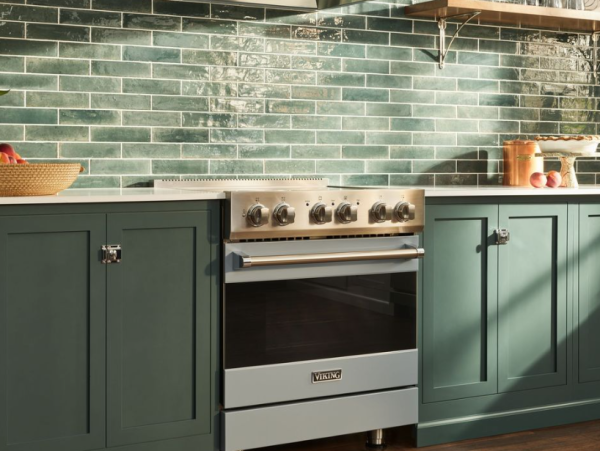
A Viking range griddle not heating evenly is a frustrating problem that can make cooking difficult and lead to inconsistent results.
Understanding the potential causes can help you recognize warning signs early and determine when professional service is needed.
Common Causes of Viking Range Griddle Not Heating Evenly
A Viking griddle is designed to provide consistent heat across the cooking surface. When uneven temperatures develop, the issue often stems from a heating component, temperature regulation problem, or a condition affecting heat transfer.
Below are some of the most common reasons a griddle may stop heating evenly.
Uneven Heat Distribution From a Failing Griddle Element
The heating element is responsible for generating heat beneath the griddle surface. Over time, sections of the element can weaken or fail, creating noticeable hot and cold spots.
Common signs include:
- One side of the griddle cooking faster than the other
- Foods browning unevenly
- Certain areas remaining cooler than expected
- Longer preheating times
A partially failed element may still produce some heat, making the issue difficult to identify without proper testing. As the component continues to deteriorate, uneven cooking often becomes more noticeable.
If the element is weak, inconsistent, or failing in sections, a professional Viking range repair technician should diagnose and replace the affected component.
Temperature Sensor Problems
Many Viking griddles use temperature sensors to monitor heat levels and communicate with the control system. When a sensor begins providing inaccurate readings, the appliance may struggle to maintain stable temperatures.
Potential symptoms include:
- Frequent temperature fluctuations
- Overheating in certain areas
- Inconsistent cooking results
- Heat levels that do not match the selected setting
Even small inaccuracies in sensor readings can affect overall griddle performance. In some cases, the griddle may cycle on and off at the wrong times, creating uneven heat patterns across the cooking surface.
Because sensor issues can cause inaccurate heating cycles, professional repair is recommended to confirm the fault and restore proper temperature control.
Grease and Food Residue Affecting Heat Transfer
Heavy grease buildup and carbonized food residue can interfere with the way heat transfers from the griddle surface to food. Over time, these deposits may create areas that cook differently than others.
Some indicators include:
- Dark buildup concentrated in specific locations
- Uneven browning patterns
- Increased sticking during cooking
- Inconsistent results despite proper preheating
Keeping the griddle surface clean according to manufacturer recommendations helps maintain consistent cooking performance and can reduce the likelihood of developing uneven heat zones.
If cleaning the griddle surface does not improve performance, a technician should inspect the appliance for deeper heating or control issues.

Warped or Damaged Griddle Surface
The griddle plate itself plays a major role in distributing heat evenly. If the surface becomes warped due to age, wear, or repeated exposure to high temperatures, heat may no longer spread uniformly.
Signs of surface damage can include:
- Persistent hot and cold spots
- Grease collecting in certain areas
- Uneven cooking results
- Visible changes to the griddle surface
A warped griddle can make temperature consistency difficult even when the heating system is functioning properly. This type of issue may gradually worsen over time.
If the griddle plate appears warped or damaged, a professional should determine whether the surface can be corrected or needs replacement.
Control Board or Infinite Switch Issues
The control board and infinite switch regulate power delivery to the griddle. If either component develops a fault, the appliance may not supply heat consistently across the cooking surface.
Possible symptoms include:
- Difficulty maintaining selected temperatures
- Heat levels changing unexpectedly
- Intermittent heating performance
- Sections of the griddle failing to warm properly
Modern Viking ranges rely on precise electronic communication between multiple components. When a control-related problem develops, uneven heating can occur even if the heating element itself is functioning normally.
Since these parts involve electrical control systems, diagnosis and repair should always be handled by a qualified Viking range repair specialist.
Gas Burner Distribution Problems (Gas Models)
On Viking ranges equipped with gas-powered griddles, burner performance directly affects heat distribution. If burners are not operating correctly, portions of the griddle may receive less heat than intended.
Potential warning signs include:
- Uneven flame patterns
- Inconsistent heating zones
- Reduced cooking performance
- Slower recovery after adding food
Burner-related problems can develop due to wear, component failure, or restrictions that affect flame distribution. Because proper burner operation is essential for both cooking performance and safety, these issues should be addressed promptly.
Because gas components require specialized training, a professional should inspect and repair the burner system rather than attempting any adjustments yourself.
Helpful Troubleshooting Tips for a Viking Range Griddle Not Heating Evenly
If you notice your Viking range griddle not heating evenly, there are several practical checks that may help improve performance or provide useful clues about the source of the problem.
Helpful troubleshooting tips include:
- Allow additional preheating time. A griddle surface can take longer to reach a consistent temperature than standard burners. Starting to cook too soon can create the appearance of uneven heating.
- Clean the cooking surface thoroughly. Layers of grease, oil residue, and carbonized food can interfere with heat transfer. A clean cooking surface allows heat to spread more evenly across the griddle.
- Test multiple areas of the griddle. Cook small portions of food in different sections of the griddle to identify whether the issue affects one specific area or the entire cooking surface.
- Avoid overcrowding the griddle. Placing too much cold food on the surface at once can temporarily lower temperatures in certain areas and affect cooking consistency.
- Verify the temperature setting. Accidentally using a lower setting than intended can make normal heat variations more noticeable during cooking.
- Observe how the griddle recovers after adding food. A properly functioning griddle should gradually return to the selected temperature. Slow recovery can indicate a developing heating issue.
- Watch for changes over time. If the uneven heating has become progressively worse over several weeks or months, component wear may be contributing to the problem.
- Keep notes on specific symptoms. Recording where hot spots or cold spots occur, how long preheating takes, and whether temperatures fluctuate can help a technician diagnose the issue more efficiently.
These observations may help improve performance in some situations and can provide valuable information about the condition of the appliance.
If your Viking range griddle continues not heating evenly after these troubleshooting steps, professional diagnosis is recommended to identify the underlying cause and prevent further performance issues.
Final Thoughts: Viking Range Griddle Not Heating Evenly
A Viking range griddle not heating evenly can result from several different issues. While some symptoms may appear minor at first, they can gradually affect cooking quality and overall appliance performance.
If your griddle continues to develop hot and cold spots or struggles to maintain consistent temperatures, the experienced Viking range repair specialists at Appliance Service Station can help identify the cause and restore reliable operation.